

CP-RWA PROTOCOL
Protection Infrastructure
for Tokenized Real-World Assets
CP-RWA is a composable extension layer designed to work alongside existing token standards rather than replacing them. It enhances tokenized real-world assets with investor protection, asset monitoring, liquidation safeguards, and automated recovery mechanisms while preserving existing infrastructure.
Protection Reserve
Asset Monitoring
Atomic Freeze-and-Record
Resolution & Recovery
CP-RWA Protocol
What is CP-RWA ?
CP-RWA extends tokenized real-world assets with additional protection and transparency mechanisms. It enables issuers to maintain their existing token architecture while adding features that improve investor confidence, asset visibility, and recovery processes during liquidation events.
The protocol introduces four key modules that each address a distinct challenge in the lifecycle of a tokenized real-world asset.
Protection Reserve
The Protection Reserve module maintains capital specifically allocated for investor protection.
Asset Monitoring
The Asset Monitoring module allows issuers to publish controlled updates about the underlying asset.
Atomic Freeze-and-Record
Atomic Freeze-and-Record is the core mechanism of CP-RWA.
Resolution & Recovery
Recovery pools distribute funds proportionally based on token holders' balances.
Four Key Modules
Module 01
Resolution & Recovery
Once a recovery pool is funded, token holders can claim their proportional share directly based on their frozen ownership balance. No off-chain indexing, manual calculations, or third-party claim portals are required.
Key Benefits
Transparent reserve tracking
Investor protection mechanisms
Automated reserve locking
Improved trust and accountability
Module 02
Asset Monitoring
The Asset Monitoring module allows issuers to publish controlled updates about the underlying asset. Information such as valuation, default status, encumbrances, and regulatory standing becomes accessible and verifiable.
Key Benefits
Real-time asset visibility
Improved transparency
Better risk assessment
On-chain asset health monitoring
Module 03
Atomic Freeze-and-Record
When a liquidation event occurs, token transfers are halted, total supply is recorded, and the asset enters liquidation status within a single indivisible transaction.
Core Guarantee
This eliminates the timing gap commonly found in traditional snapshot-based recovery systems, ensuring no exploitable window exists between ownership capture and liquidation activation.
CP-RWA APPROACH
LIQUIDATION IS TRIGGERED
PROTOCOL MODULES
Snapshot is generated
CHALLENGES
Module 04
Resolution & Recovery
Once a recovery pool is funded, token holders can claim their proportional share directly based on their frozen ownership balance. No off-chain indexing, manual calculations, or third-party claim portals are required.
Key Benefits
Direct recovery distribution
Automated claim process
Fair allocation model
Reduced operational complexity
Fair Recovery Distribution
Recovery amounts are calculated proportionally based on each holder's frozen balance relative to the total frozen supply, ensuring all token holders receive their appropriate share.
Recovery formula
holder_recovery = (frozen_balance / total_frozen_supply) × recovery_pool
- Accurate Distribution
- Fair Treatment Of Small Holders
- Transparent Calculations
- Auditable On-Chain Records
Security Features
CP-RWA includes multiple safeguards designed to protect investors and maintain integrity throughout the recovery process.
Deep infrastructure
Confidence at Every Stage of an
Asset's Lifecycle
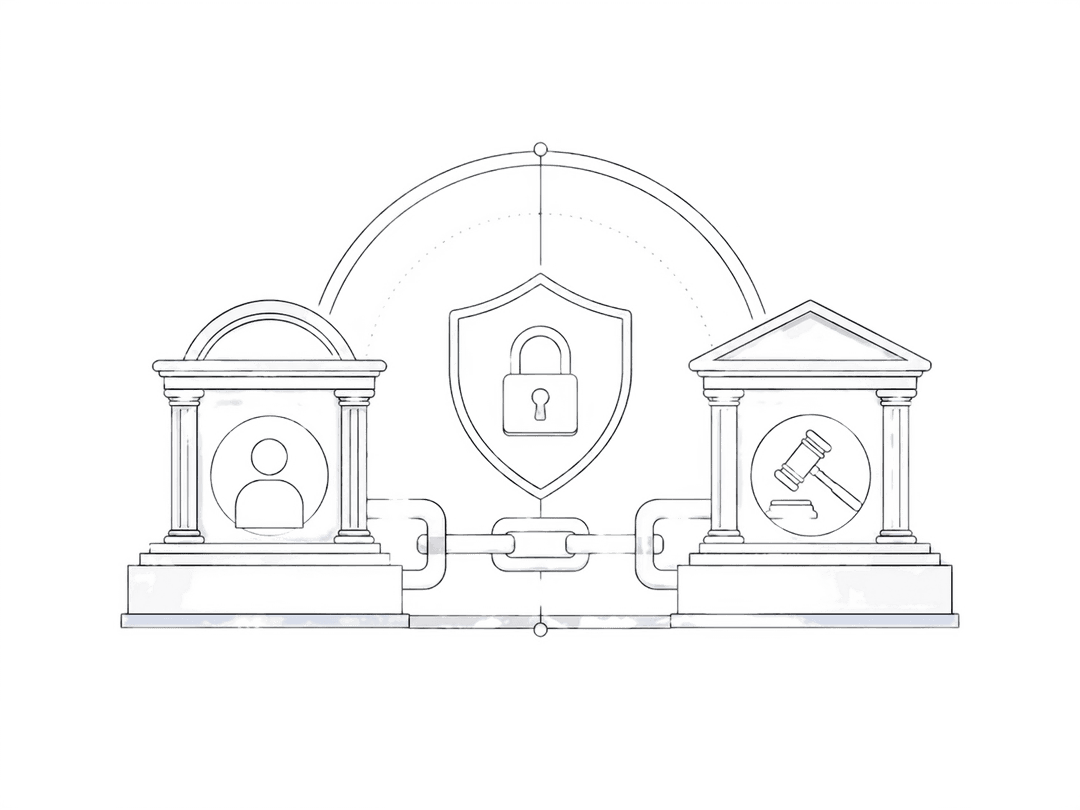
As tokenized real-world assets continue to grow, investor protection becomes increasingly important. CP-RWA introduces a standardized framework for handling asset distress, liquidation events, and recovery procedures.
The protocol provides issuers, investors, and regulators with greater confidence in the long-term sustainability of tokenized asset markets.
Issuers
Maintain existing token architecture while adding investor protections — no full migration required.
Investors
Transparent reserve tracking and fair, automated recovery during liquidation events.
Regulators
On-chain audit trails, standardized recovery processes, and verifiable asset health data.